Townshend Audio is a brand for those who appreciate sound at its purest. Founded on breakthrough engineering, our designs have outlasted trends, proving their staying power. We don’t follow— we lead, crafting cutting-edge audio products that elevate any system.
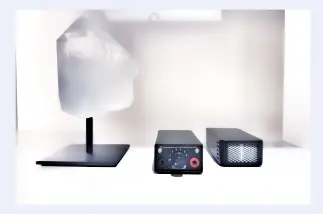
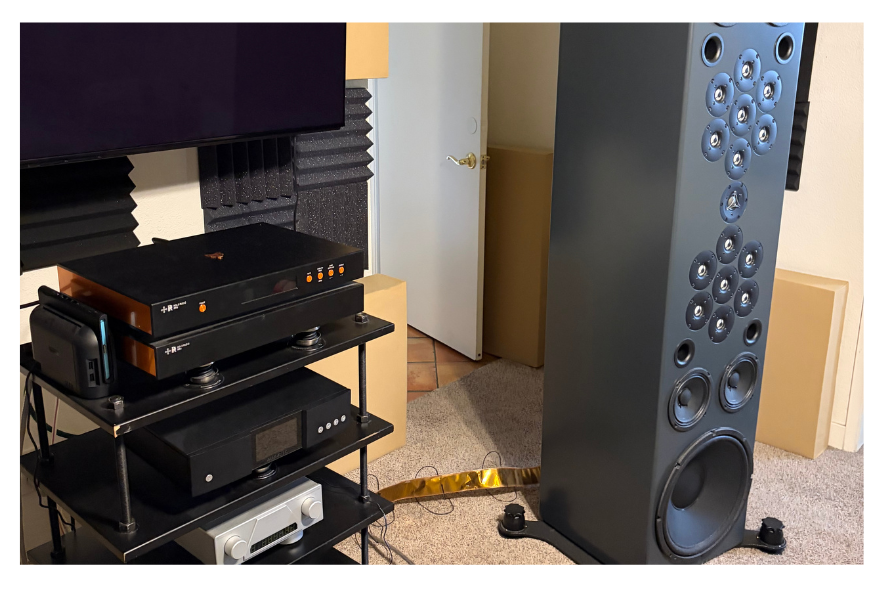
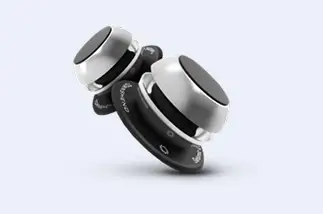
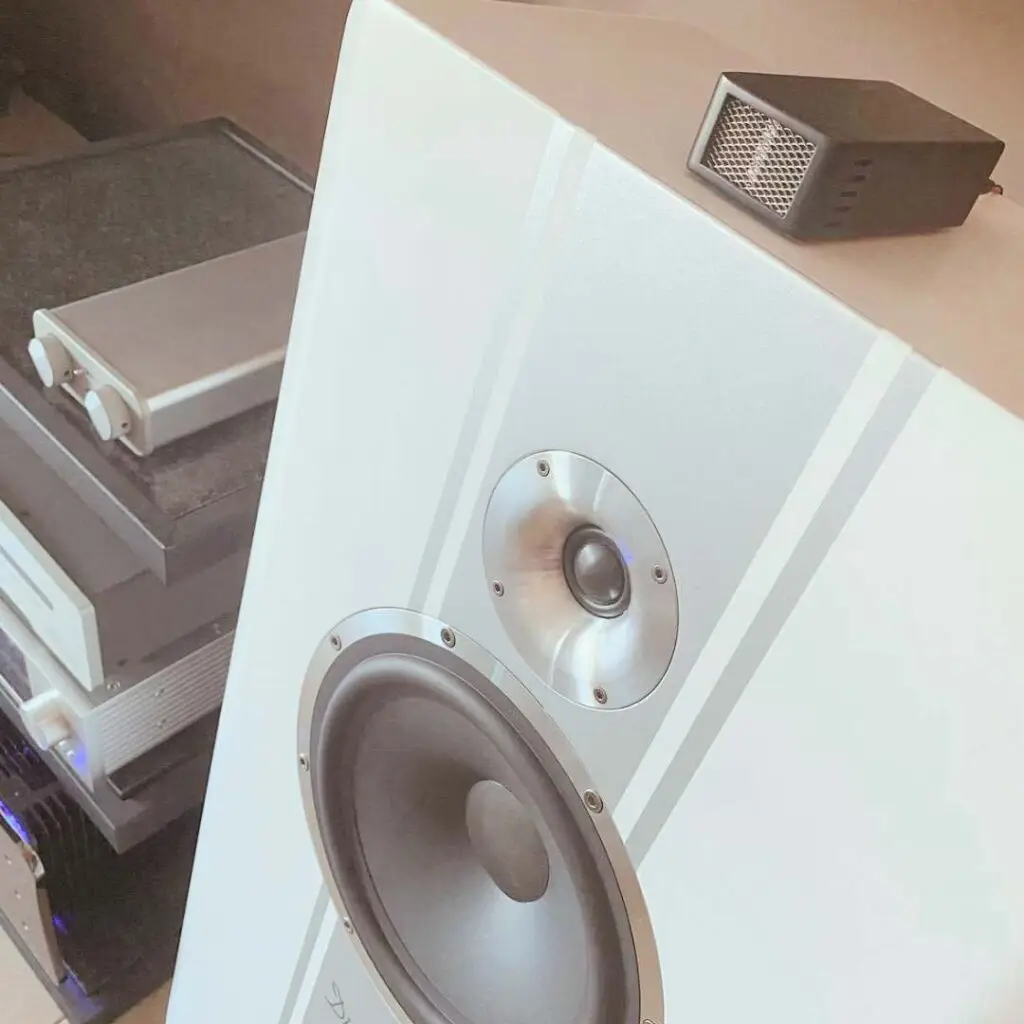
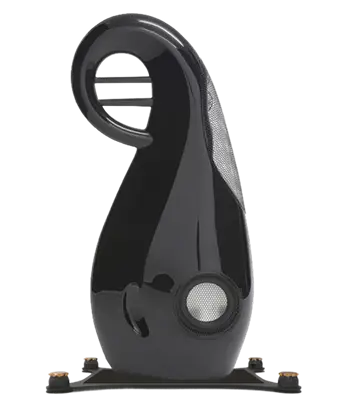
Unleash the hidden depths of your music with the Townshend Maximum Supertweeter. This sonic marvel extends your speakers’ range to an astonishing 90kHz, revealing clarity and detail you never knew existed.
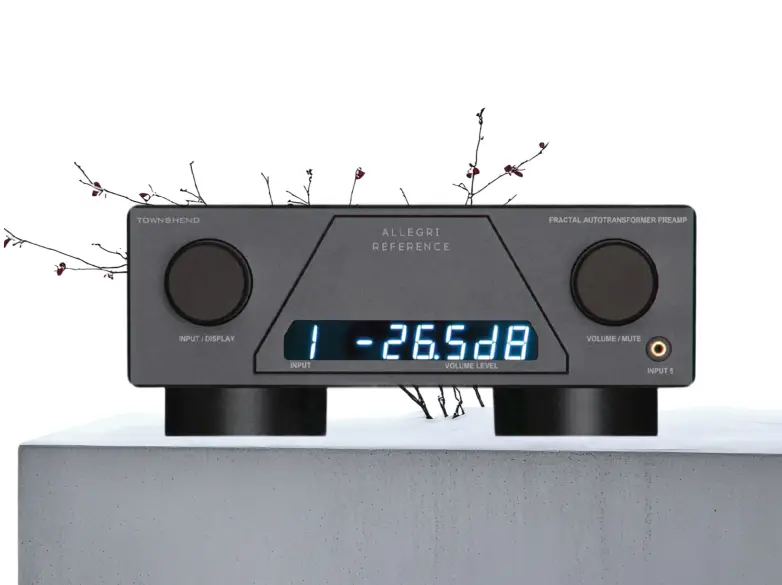
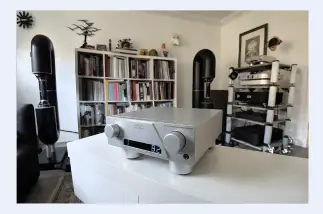
Experience audio perfection with the Allegri+ and Allegri Reference, passive autotransformer pre-amps that banish noise and reveal stunning clarity. From the Fractal™-wired transparency of the Allegri+ to the Reference’s 129-step precision and Seismic Isolation, your music unfolds in a breathtaking, holographic soundstage.
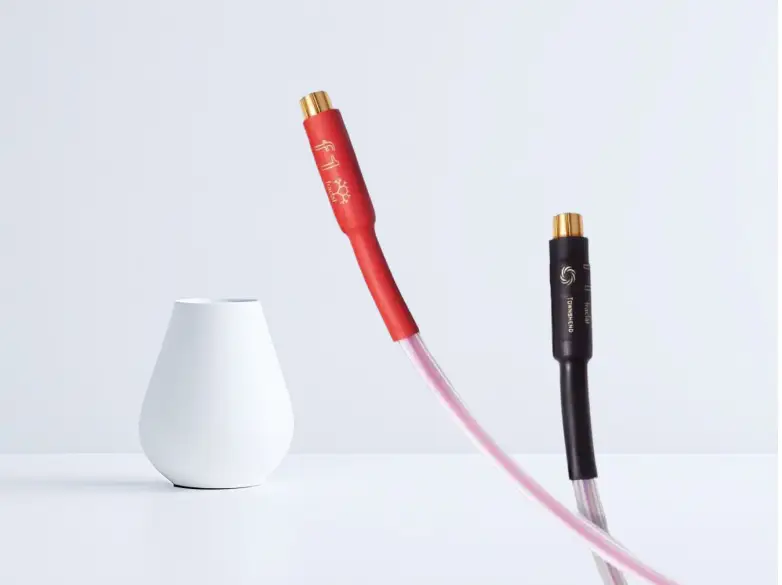
Immerse yourself in sonic truth with Townshend Audio’s Fractal Speaker Cables and Interconnects, engineered for ultimate transparency. Featuring proprietary Fractal™-treated copper, these cables banish distortion and unveil a captivating, lifelike soundstage that redefines audio fidelity.
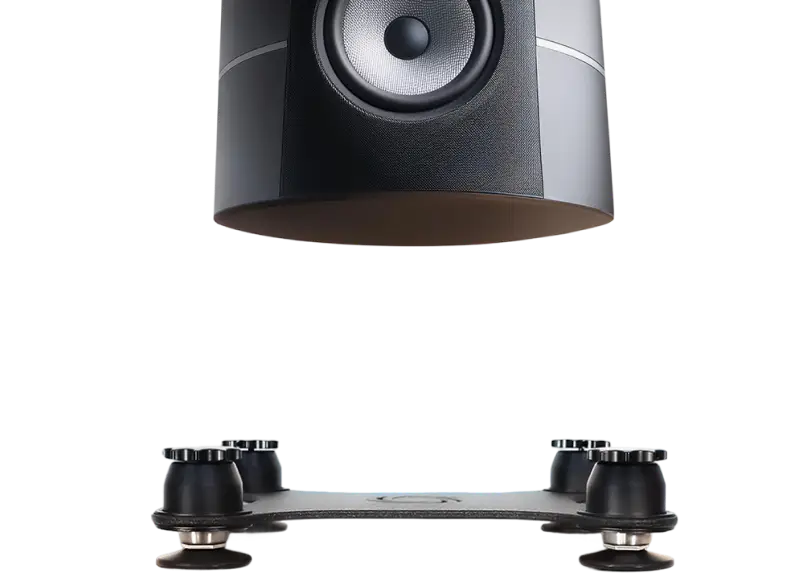
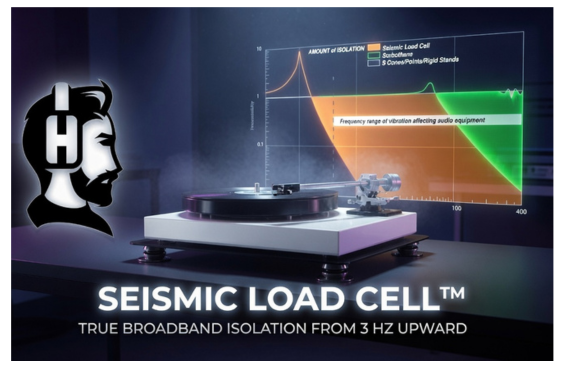
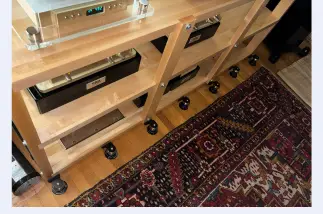
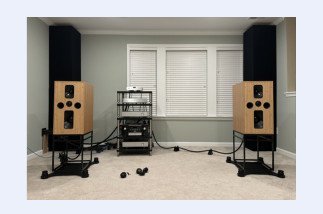
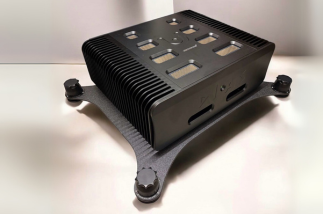
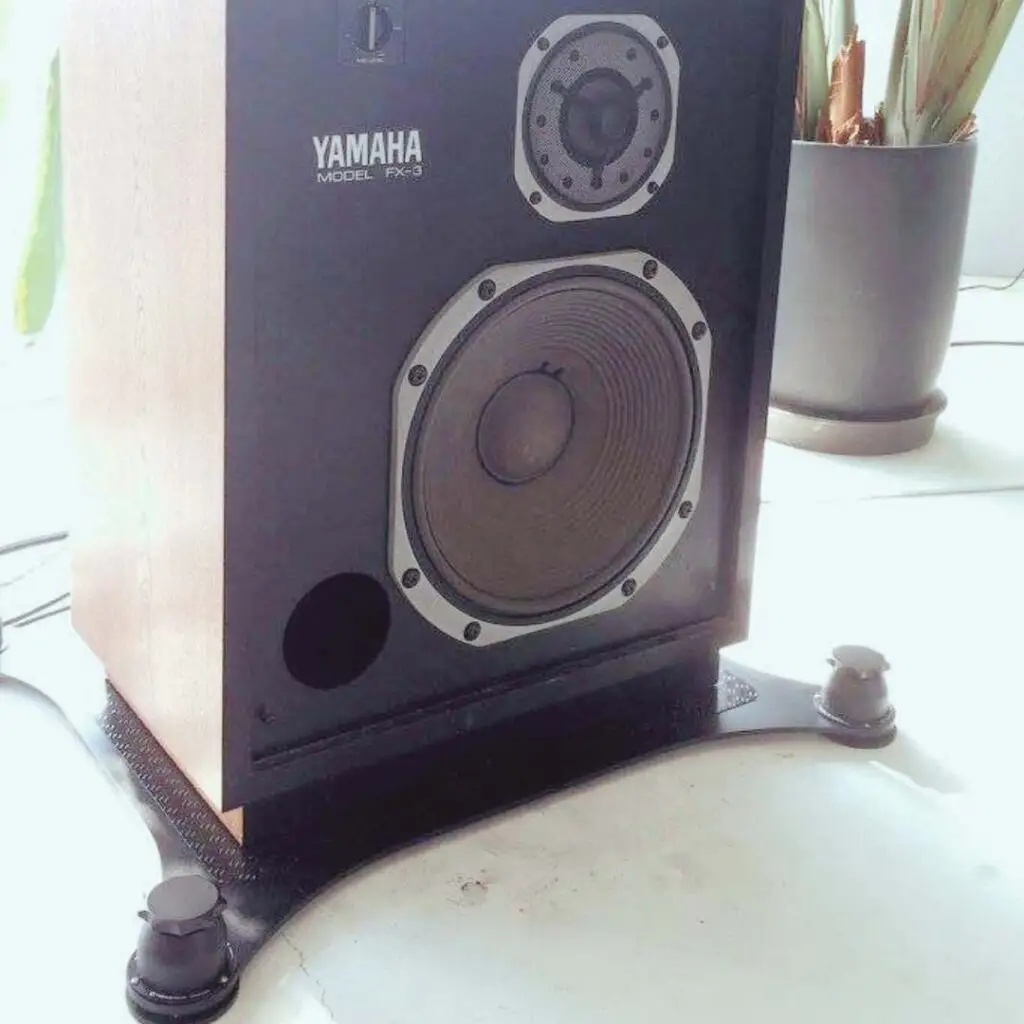
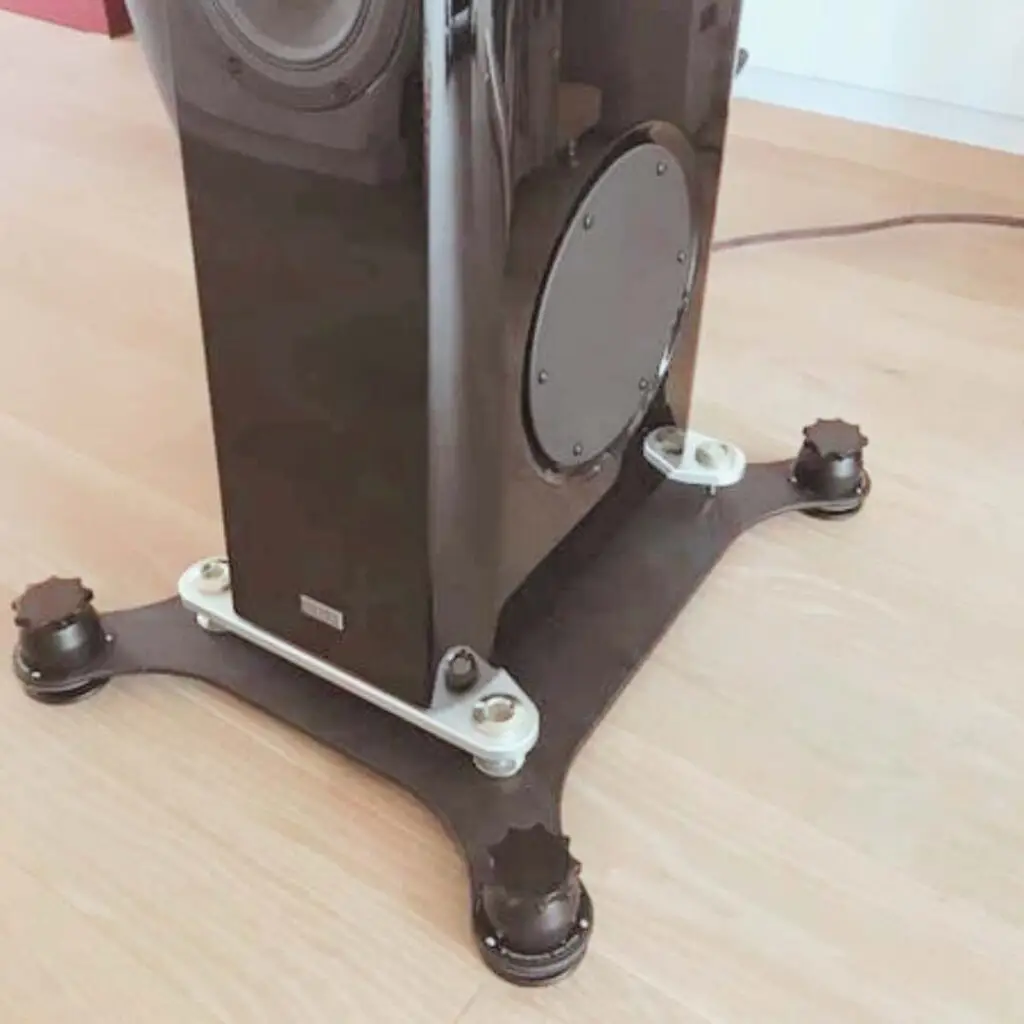
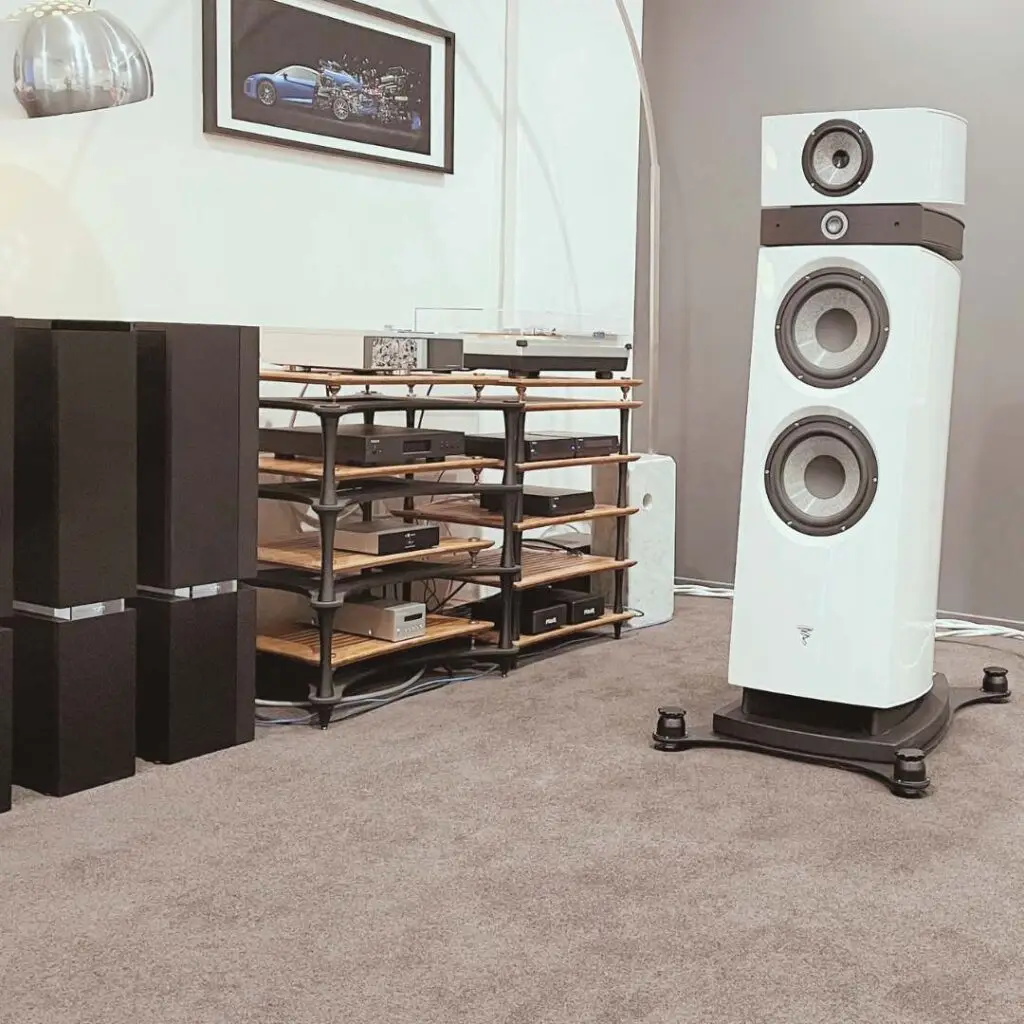
Elevate your audio with the Townshend Podium and Seismic Range, where cutting-edge isolation banishes vibrations down to 3Hz. These engineering marvels deliver a pristine, immersive soundstage, freeing your music from the distortions of the floor beneath.
We've been right all along. Now, the world is listening.
Townshend Audio has always been ahead of its time—our designs defy obsolescence. Whether it’s the Rock turntable, our isolation technology, or our latest preamplifiers, we engineer with one goal: delivering sound so pure it moves you.
Elevate Your Hi-Fi Experience with Unparalleled Engineering
At Townshend Audio, we don’t just design audio equipment—we refine, perfect, and elevate it. Our innovative techniques bring lifelike timbre, precise notes, enhanced attack, and extended decay, ensuring a truly immersive listening experience.
Precision-Crafted Cables
Unlike mass-market alternatives, our cables are meticulously built with impedance-matched materials and premium copper, delivering sweet, natural sound clarity.
Timeless Engineering
We don’t chase trends; we build enduring audio solutions grounded in decades of Hi-Fi expertise.
Unrivaled Isolation
Borrowing principles from high-performance industries, our low-pass mechanical filter technology eliminates vibrations, preserving the purest sound possible.
“The Townshend Seismic Podiums take a completely different approach, and with a deeper view of how they isolate the speakers from the floor vs. direct coupling, this seemed to have merit.” Context: Wells, in his Stereo Times review, evaluates the Seismic Podiums and Isolation Pods, noting their solid construction and transformative effect on his reference system.
Bill Wells, Stereo Times , November 23, 2022
“The Allegri Reference is one of the best high-end preamplifiers in the world… It’s a preamplifier that doesn’t sound like anything—it just lets the music through with almost no audible footprint.” Context: In his review for StereoNET, Todes, a noted violinist and audiophile, praises the Allegri Reference Passive Autotransformer preamp for its transparency and lack of coloration, calling it a benchmark in high-end audio.
Rafael Todes, StereoNET International , October 25, 2021
“My head-scratching encounter with the Seismic Isolation Podiums more than piqued my curiosity… Townshend aims to eliminate the interaction at the root—to sever what is essentially a feedback loop of mechanical dysfunction and spurious vibrations between the speaker and the floor.” Context: In his review for The Absolute Sound, Gader explores the effectiveness of the Townshend Audio Seismic Isolation Podiums, praising their innovative approach to speaker isolation.
Neil Gader, The Absolute Sound , January 22, 2021
“The Allegri+ is a revelation in passive preamp design—silent, transparent, and with a dynamic range that belies its simplicity.” Context: Harris, a veteran audio journalist, tests the Allegri+ in Hi-Fi News, applauding its engineering and sonic purity, making it a standout in its category.
Steve Harris, Hi-Fi News , March 2019
“The Seismic Isolation Podiums bring a level of clarity and openness that’s hard to believe until you hear it… They’re a game-changer for anyone serious about sound quality.” Context: Kennedy’s review in Hi-Fi Choice evaluates the Seismic Isolation Podiums, noting their ability to enhance detail and reduce distortion, earning them high praise among UK hi-fi critics.
Jason Kennedy, Hi-Fi Choice , August 2017
“The Townshend Maximum Super Tweeters don’t just add sparkle—they transform the entire soundstage into something more three-dimensional and alive.” Context: Sircom, editor of Hi-Fi+, reviews the Maximum Super Tweeters, emphasizing their ability to elevate spatial imaging and detail beyond what traditional tweeters achieve.
Alan Sircom, Hi-Fi+ , 2016
“Obviously, given the frequency response of these components, I expected any alteration to the sound to be focused on the midrange and the treble, but was pleasantly surprised to find that this change included an opening up of the bass sound as well, adding layers of texture to its tonal qualities.” Context: Bolton’s review of the Townshend Maximum Super Tweeters in Hi-Fi World highlights their unexpected impact across the frequency spectrum, cementing their status as a permanent fixture in his system.
Tony Bolton, Hi-Fi World January 2014
Think of the future Rock then as a final tribute to the great Max Townshend, truly one of the greatest audio engineers of the past century. In the meantime I urge you to explore his revolutionary innovations in seismic support, cabling and preamplifiers – the seismic supports in my view are one of the most significant revolutions in audio engineering since Blumlein invented stereo.
Jonathan Gorse- The Ear
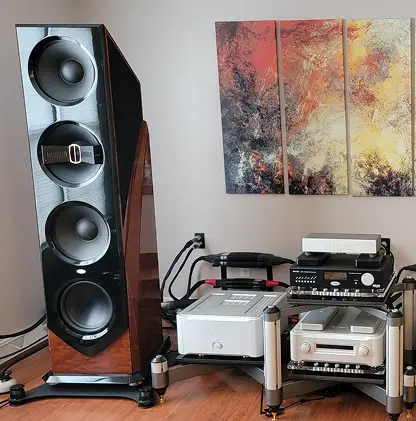
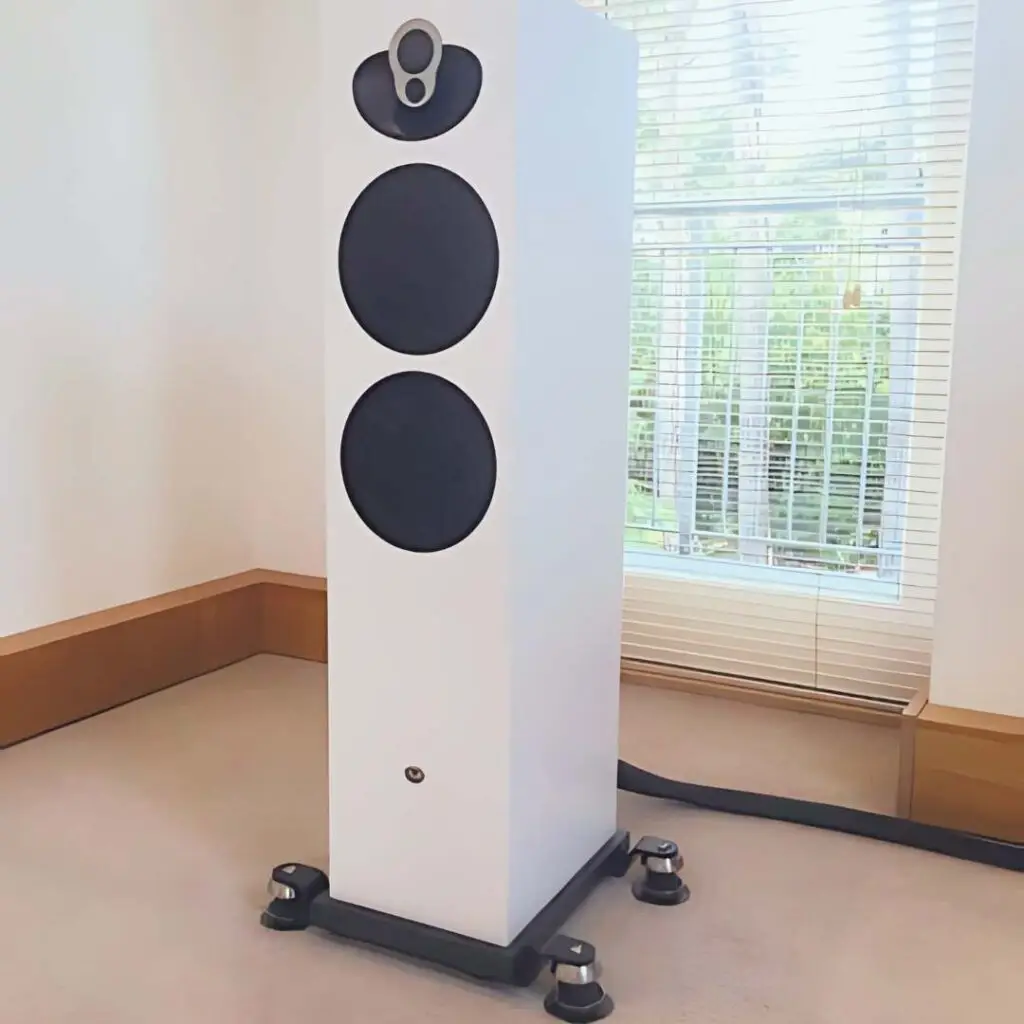
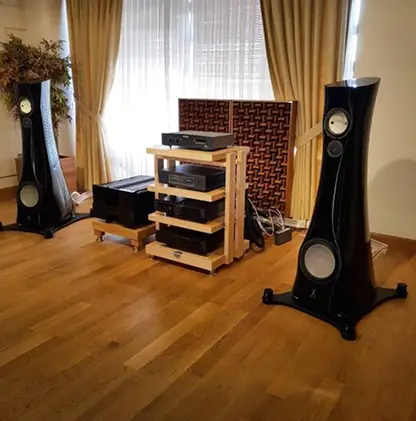
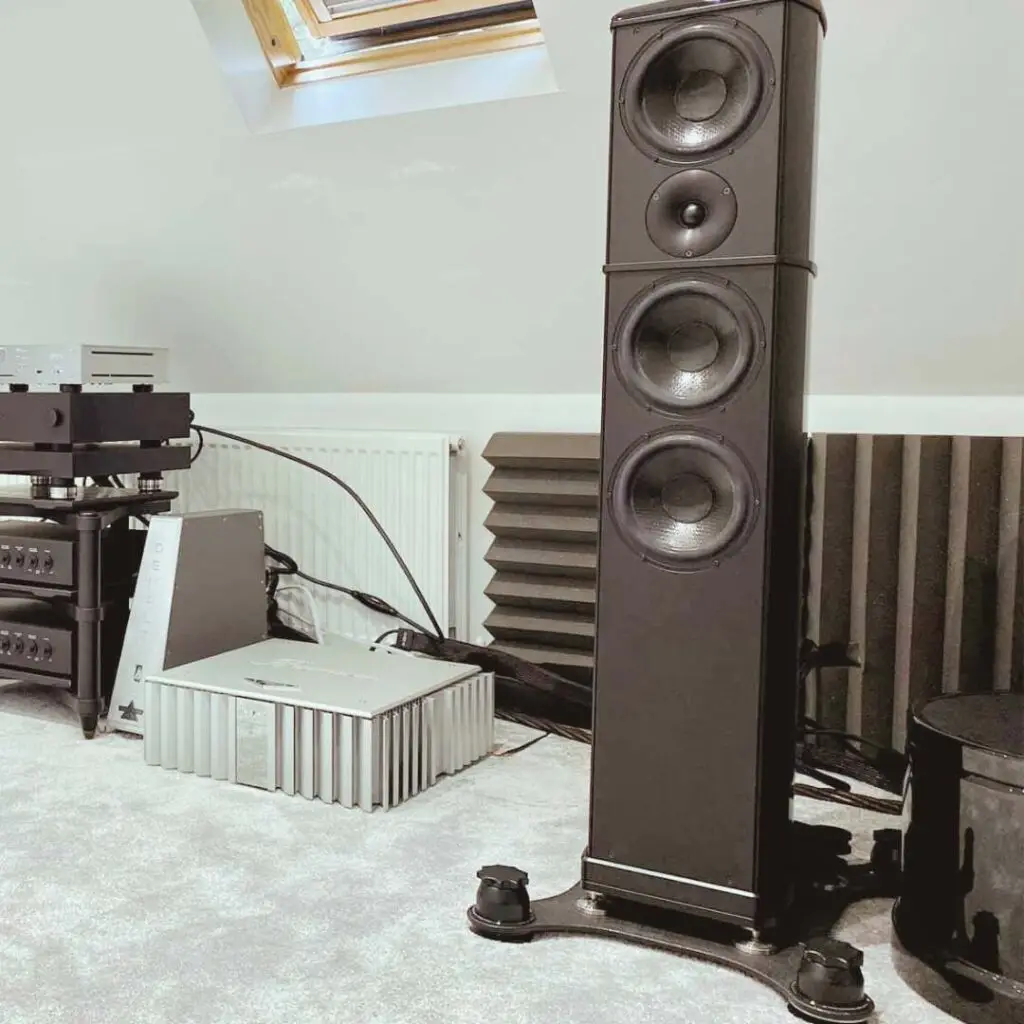
User Gallery
JOIN THE CLUB
Subscribe to find out the latest news, updates and see what other audio enthusiasts are up to.
Get In Touch With Us
Unlock a world of pure, unadulterated happiness with our products—don’t lose touch with us now, and let us elevate your audio experience to blissful heights
Most speaker cables in the audio industry overlook the science of transmission line theory, resulting in micro-reflections that smear and veil the purity of sound. These reflections bounce between the source and speaker, muddying the music you love. The Isolda DCT Speaker Cable eliminates this issue through its unique geometry, closely matching the impedance of your amplifier and speakers. The result? A crystal-clear soundstage, lifelike 3d imaging, and seismic bass that transforms your listening experience.
Crafted by hand in small batches, Townshend Isolda cables feature closely spaced, insulated flat copper conductors encased in a polyester braid sheath. This design makes them virtually immune to Radio Frequency Interference (RFI), ensuring a silent background that lets every note shine. Whether you’re listening to intricate classical compositions or powerful rock anthems, the Isolda delivers sound so natural, it feels like the artist is in the room.
The Isolda DCT’s impedance-matched design (8 ohms) eliminates signal reflections, delivering music exactly as recorded. The Ear praises it as “one of the best speaker cables money can buy” for its neutral, fatigue-free sound.
Closely spaced EDCT copper ribbons produce deep, articulate bass with unrivaled solidity. townshendcable.com highlights “bass with a power that is truly seismic,” making every low note punchy and precise.
he cable’s low-inductance geometry creates a holographic soundstage, placing instruments with pinpoint accuracy. 6 Moons notes it “can convey a huge and realistic soundstage,” immersing you in the music.
With an 8-ohm impedance matching typical speakers, the Isolda DCT prevents distortion from mismatched cables. townshendcable.com explains this preserves square waves, ensuring “no ringing or distortion.”
Unlike other cables, Isolda DCT Speaker Cables perform flawlessly even in unequal lengths. Thanks to their advanced impedance-matching technology, the sound from each speaker remains identical, regardless of cable length. This flexibility makes them ideal for any audio setup, from compact home systems to sprawling high-end rigs.
EDCT-treated conductors deliver lightning-fast transients and vast dynamics for thrilling playback. Every note snaps with energy from whispers to orchestral peaks, as HiFi Pig praises its “bass clarity and space,” emphasising high-current handling, ideal for dynamic genres like rock or classical. The Isolda DCT brings music to life with unmatched precision and power.
We’ve engineered the Isolda DCT for a relaxed, natural sound, free from harshness or edge. Impedance matching and RFI immunity ensure effortless music flow, perfect for vocals or acoustics, and one astute audiophile’s tale of his relief from “Alice-in-Wonderland” cable woes. Enjoy hours of fatigue-free listening with emotional depth and clarity.
The Townshend Isolda DCT Speaker Cable is your key to audiophile bliss.
Transform your hi-fi into a sonic masterpiece. Don’t just listen—experience music with seismic power, stunning clarity, and soul-stirring emotion today.